Tech
Research & deep dives into agentic systems
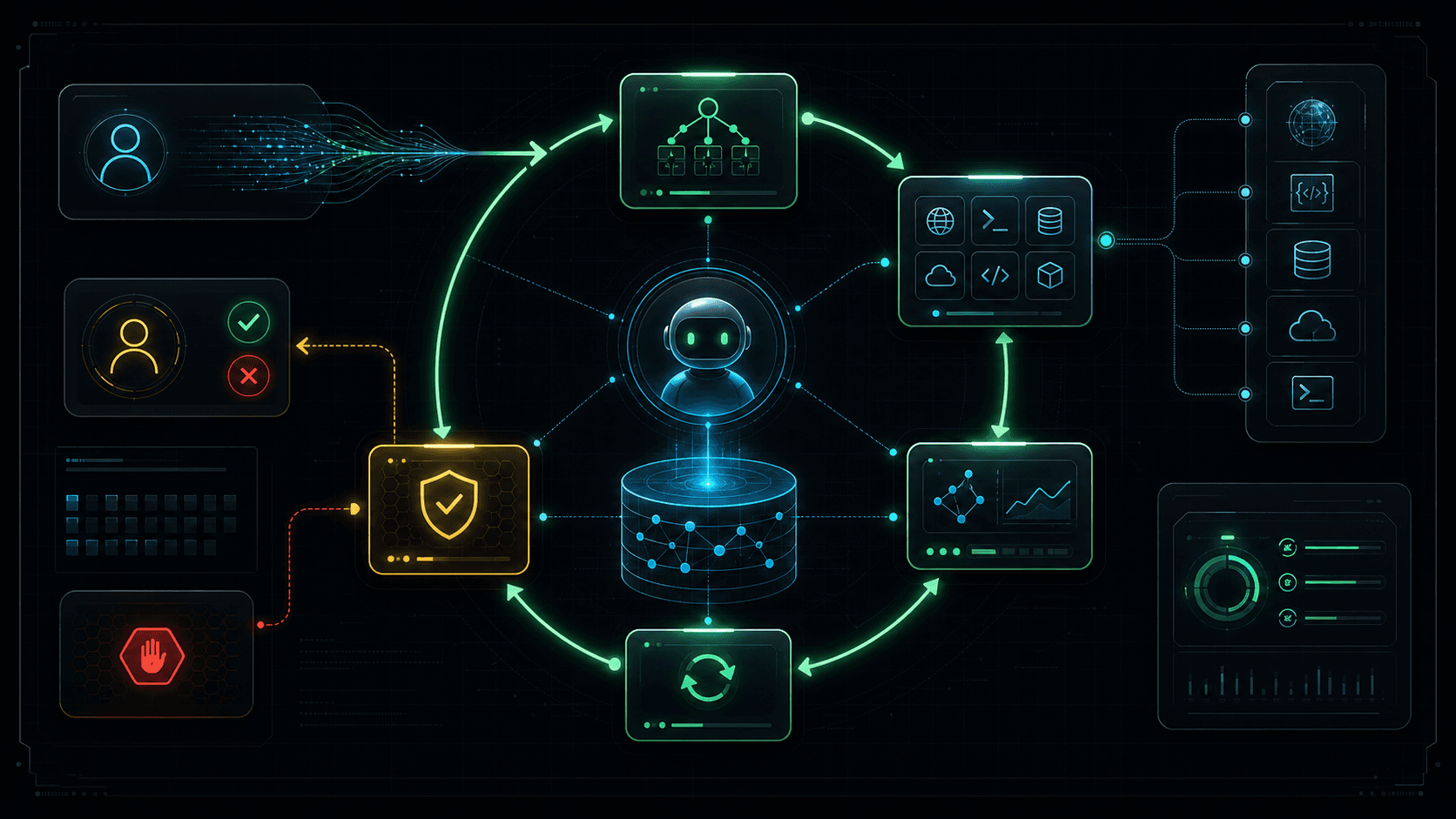
How Autonomous Agents Work: The Runtime Loop Behind Agentic AI
A practical walkthrough of the intent, planning, tool use, observation, policy, approval, memory, and outcome loop that powers autonomous agents.
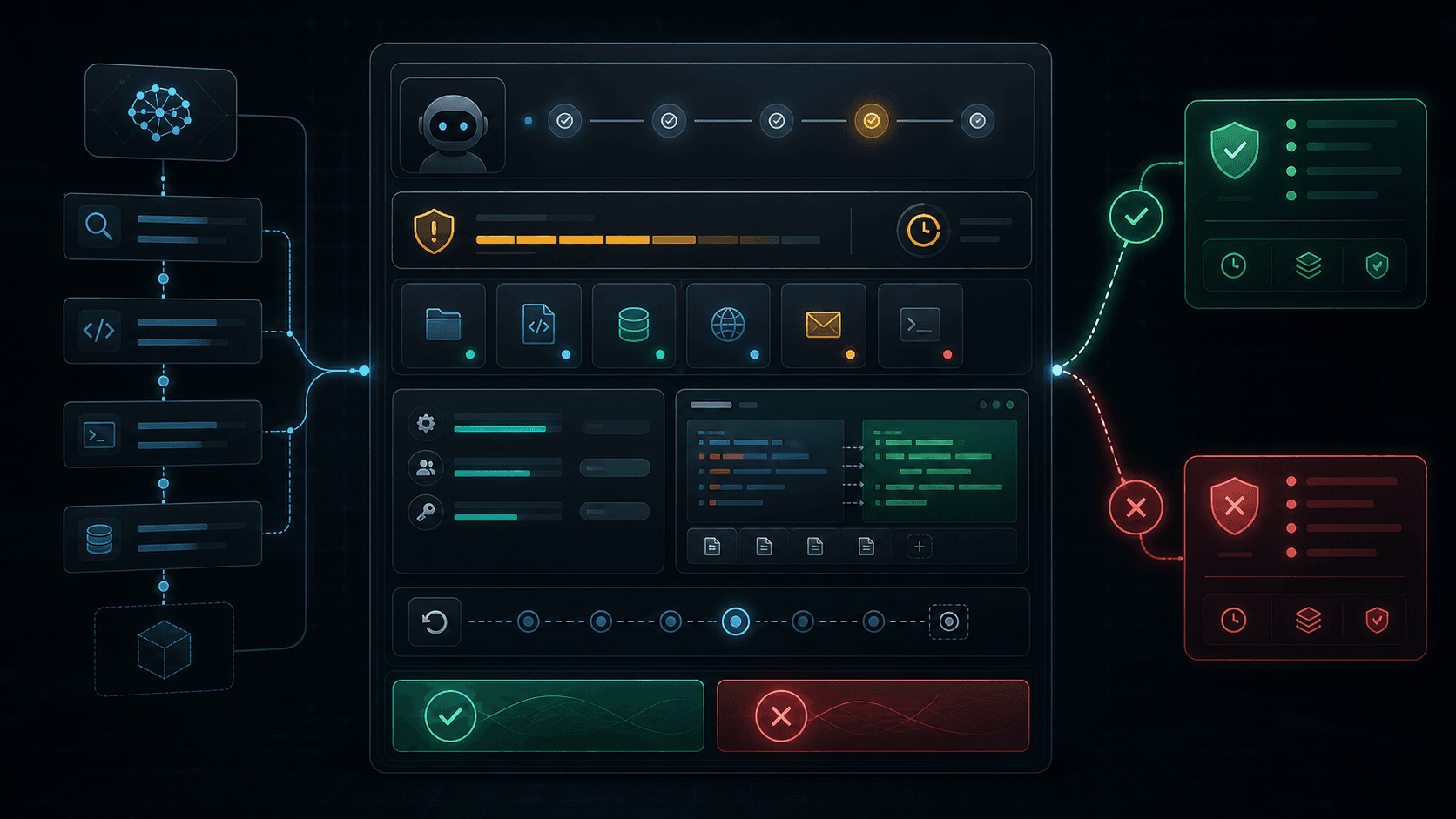
Designing Approval UX for Autonomous Agents
Autonomous agents need approval surfaces that explain risk, scope, expiration, evidence, and rollback before a human grants permission.
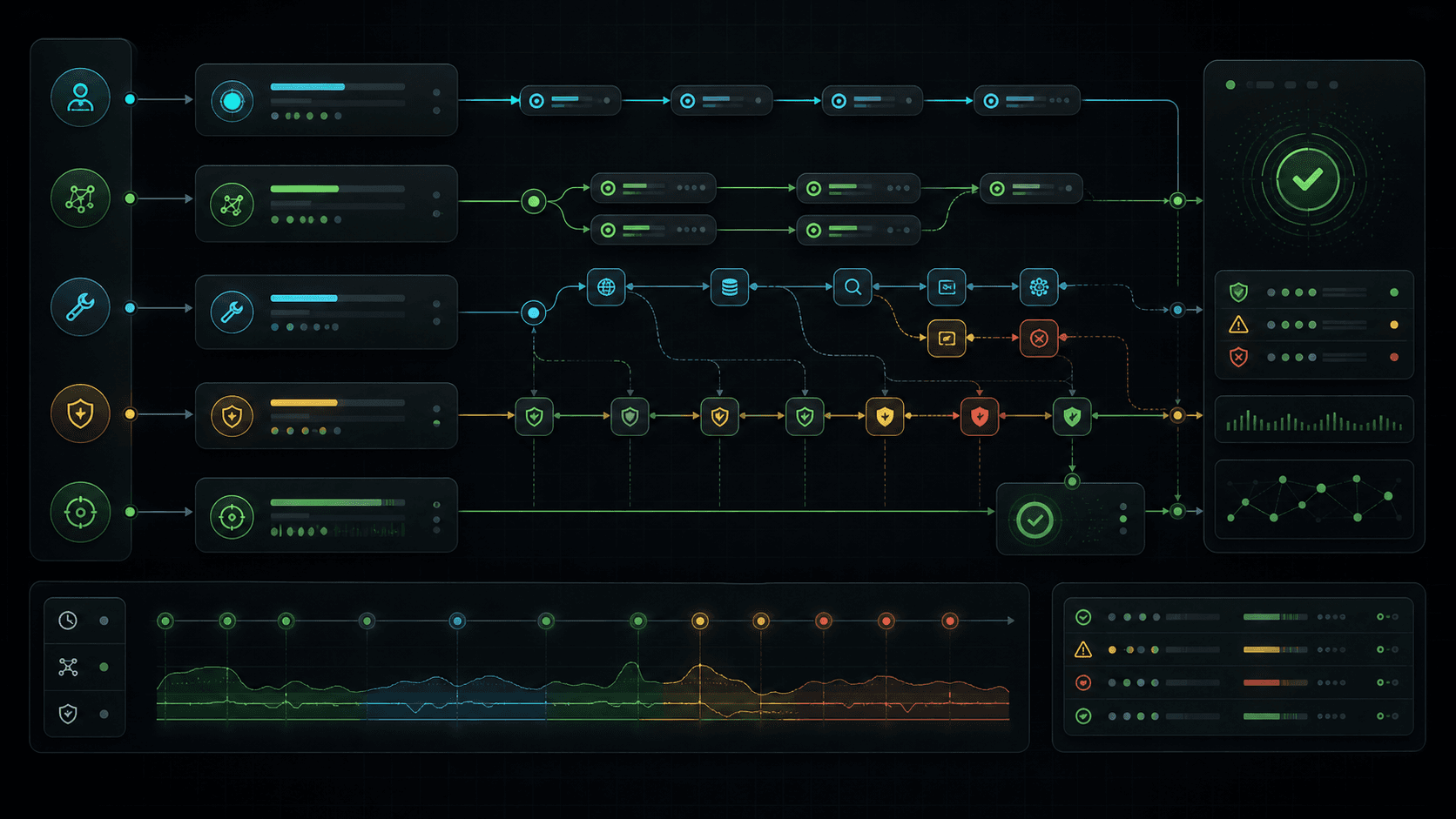
The Agent Observability Stack: Tracing Intent, Tools, Policy, and Outcomes
Agents become trustworthy when every intent, plan, tool call, policy decision, approval, and outcome can be inspected as one coherent trace.
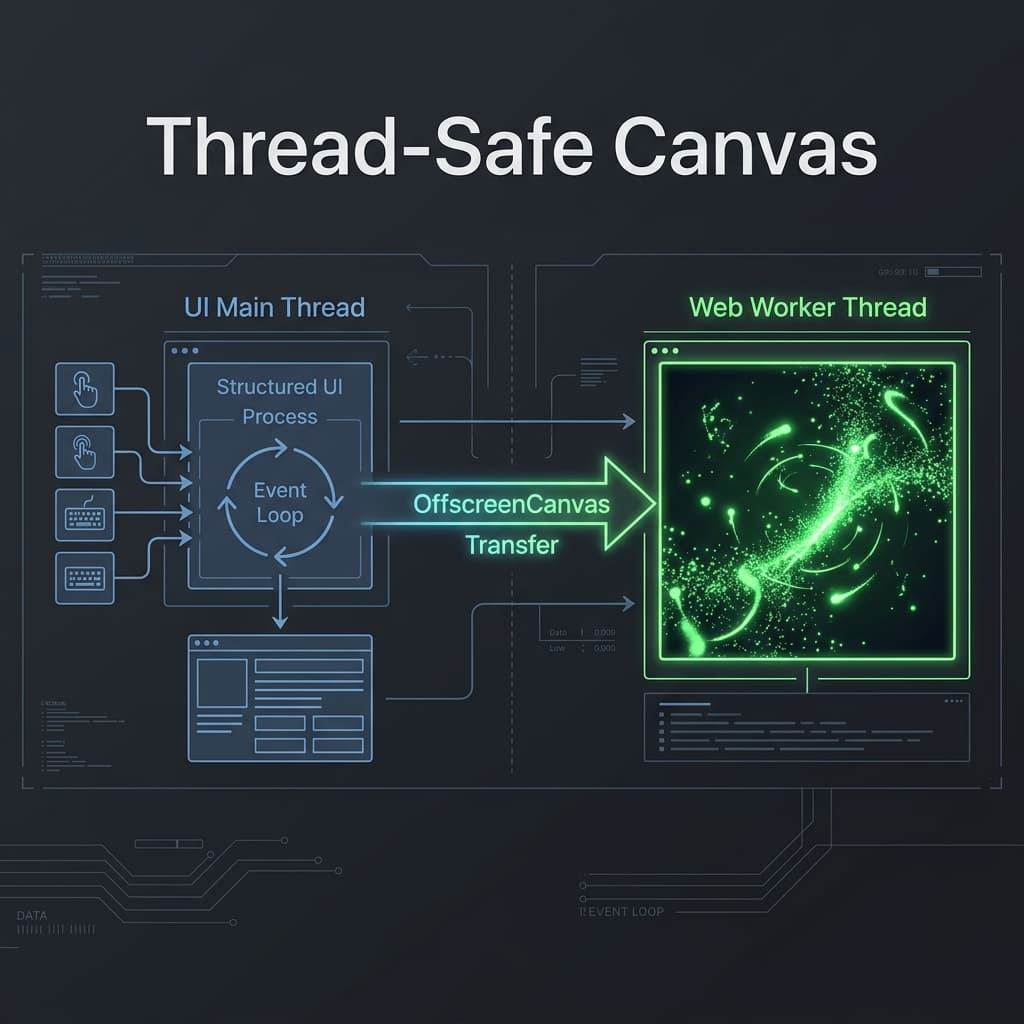
Thread-Safe Canvas: Building Zero-Latency Interfaces with Web Workers
JavaScript is single-threaded. Running complex render loops on the main thread leads to dropped frames and input lag. OffscreenCanvas lets us run loops in a Web Worker, ensuring zero interface latency.
The Architecture of Autonomy: Building Guardrails for Agentic Systems
Moving from Passive AI (chat) to Active Agents (execution). A shift from simple RBAC to Contextual Governance.
A2UI: Designing the Semantic Frontdoor
A declarative protocol that uses flat adjacency lists for reliable, high-speed UI streaming, ensuring security and consistency.

Agent Skills: From Monolithic Tools to Atomic Capabilities
Shifting the paradigm from 'Function Calling' to 'Skill Registries.' How to build agents that discover and master capabilities dynamically.
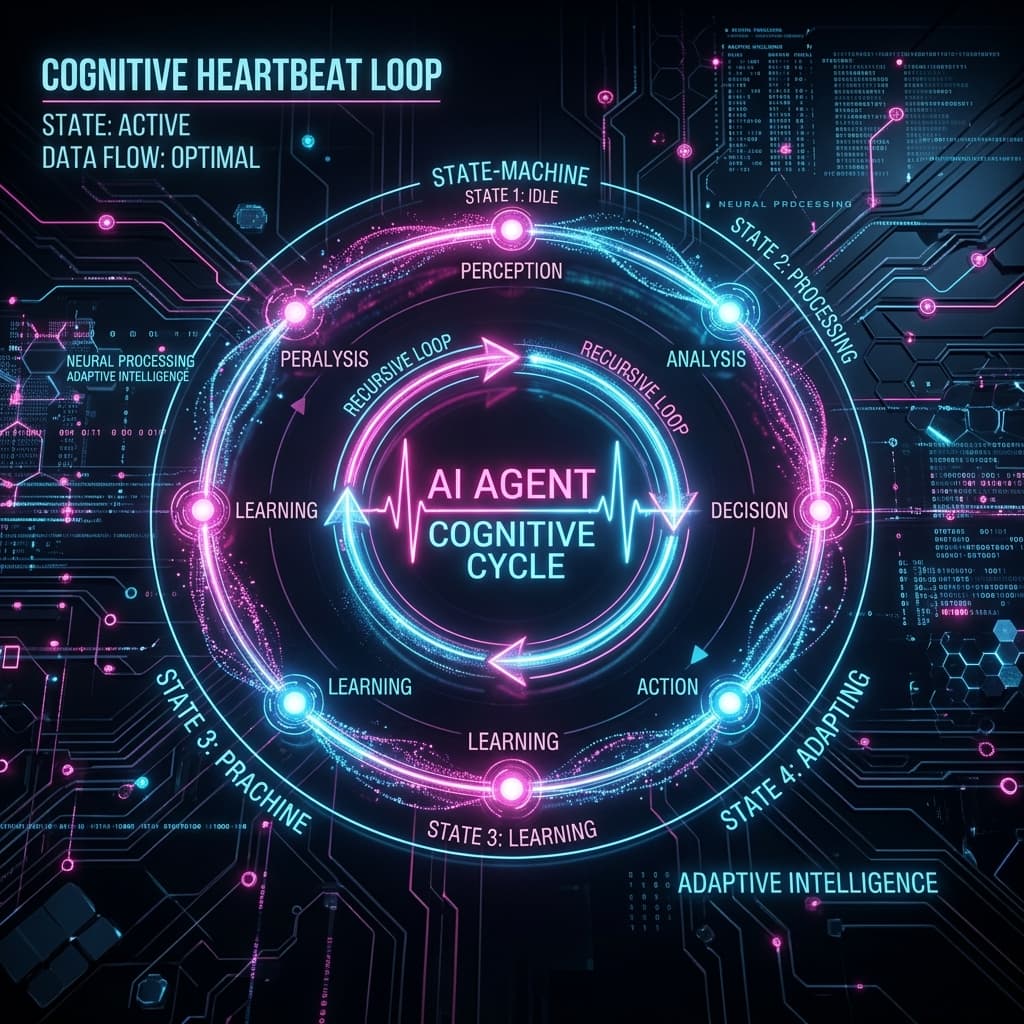
The Agent Loop: Engineering the Cognitive Heartbeat
Beyond one-shot prompts. Designing recursive loops that handle planning, execution, and self-correction without drifting into infinite recursion.
Introduction to Agentic AI: What You Need to Know
A beginner's guide to understanding agentic AI systems and their fundamental concepts.
A2UI Part 2: Taming State in Streamed Interfaces
When an agent continuously streams new UI JSON, how do you prevent the user's client-side state from wiping out? A deep dive into Semantic Diffing and DOM Reconciliation.
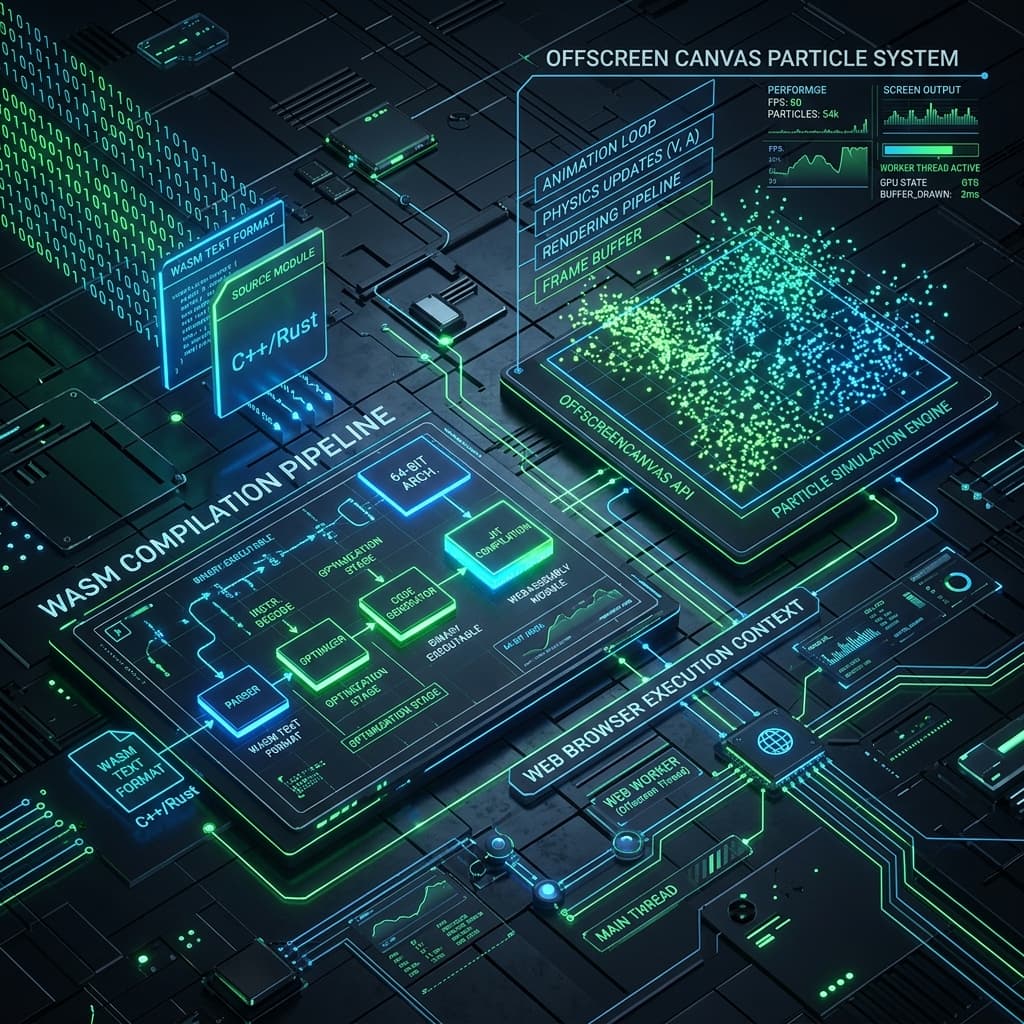
Wasm-Powered Canvas: High-Performance Simulations with WebAssembly
If OffscreenCanvas offloads UI rendering to Web Workers, WebAssembly handles the heavy math. Run 100k+ body physics directly in a Worker for zero main-thread overhead.
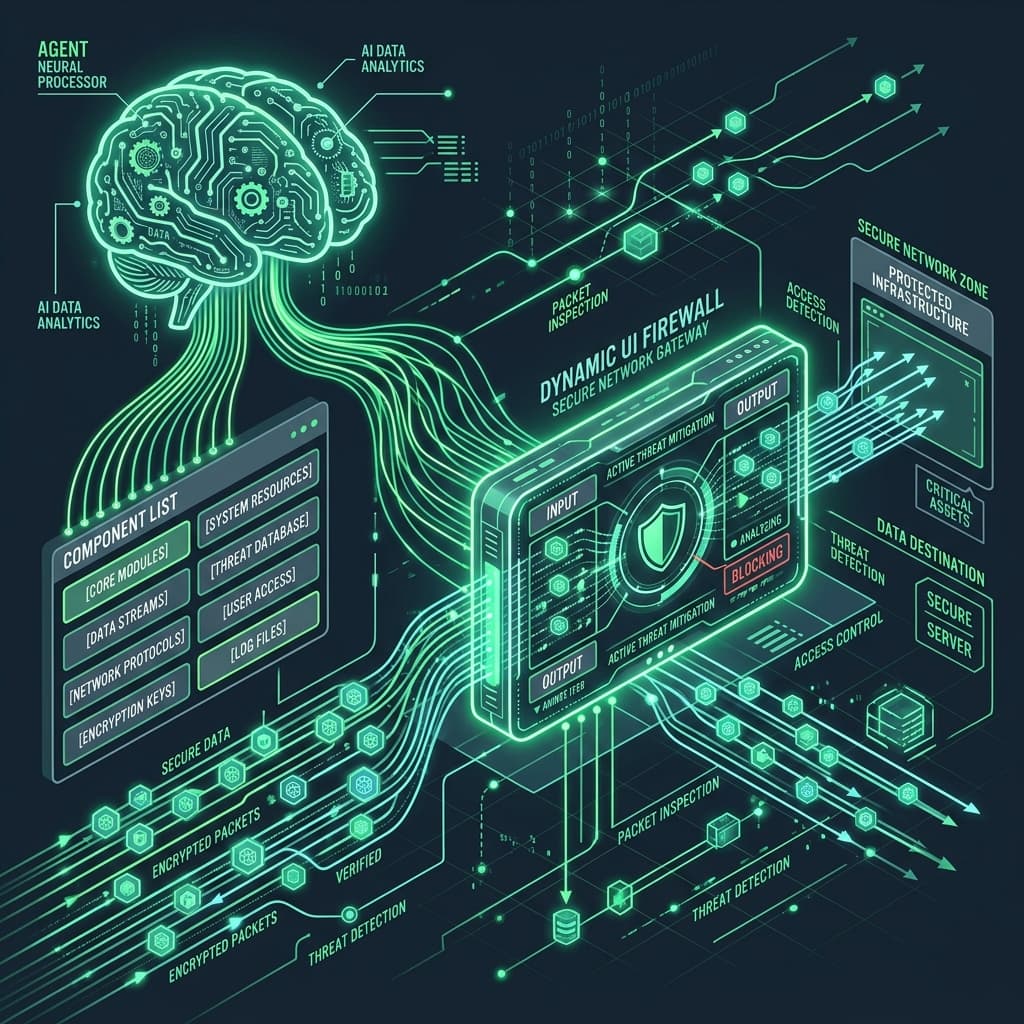
A2UI Part 3: Event Hydration and Execution Security in Generative UI
How do you handle clicks, form entries, and action triggers generated on the fly by an AI? Building a secure event delegation framework that prevents UI injection.
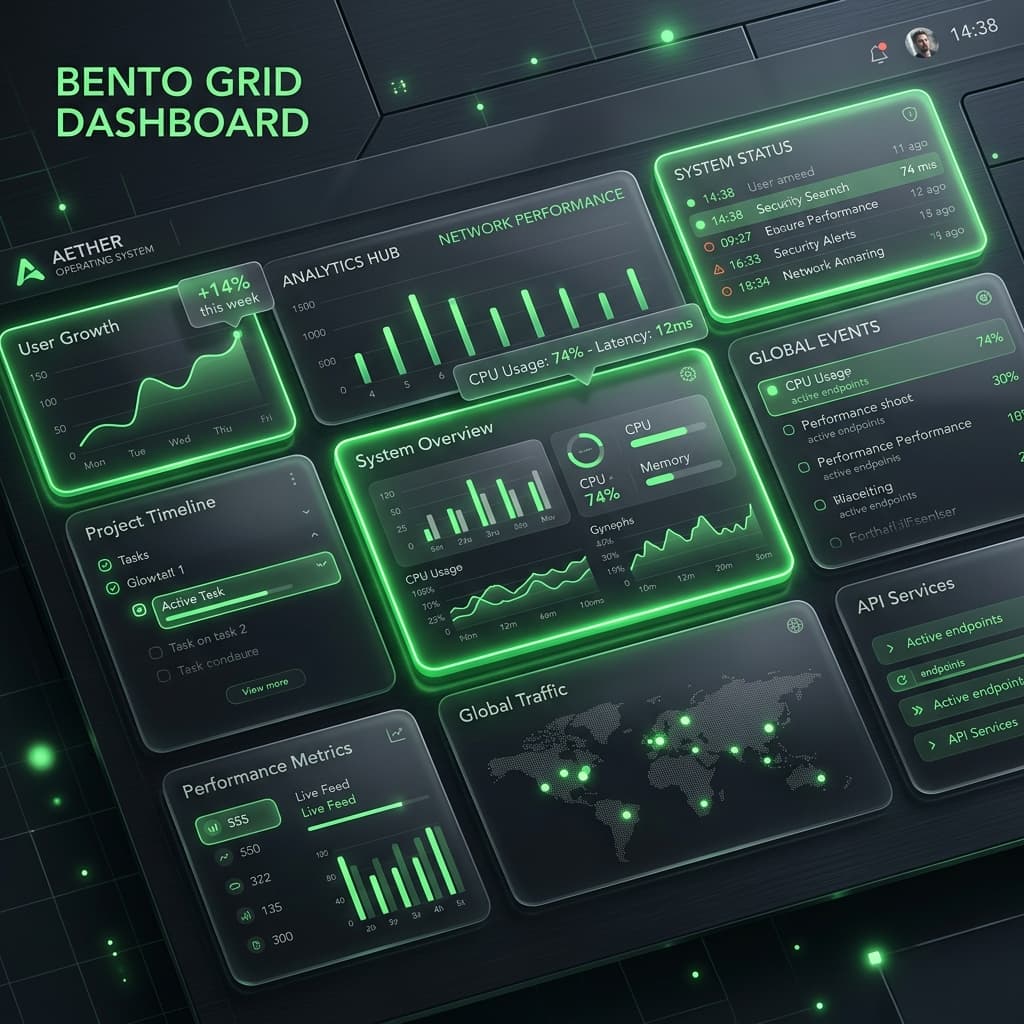
Native Bento: Rethinking Responsive Layouts with Container Queries and CSS Anchor Positioning
Stop using heavy JS positioning libraries for menus and resize listeners for layouts. CSS Anchor Positioning and Container Queries let the browser compose bento blocks natively.
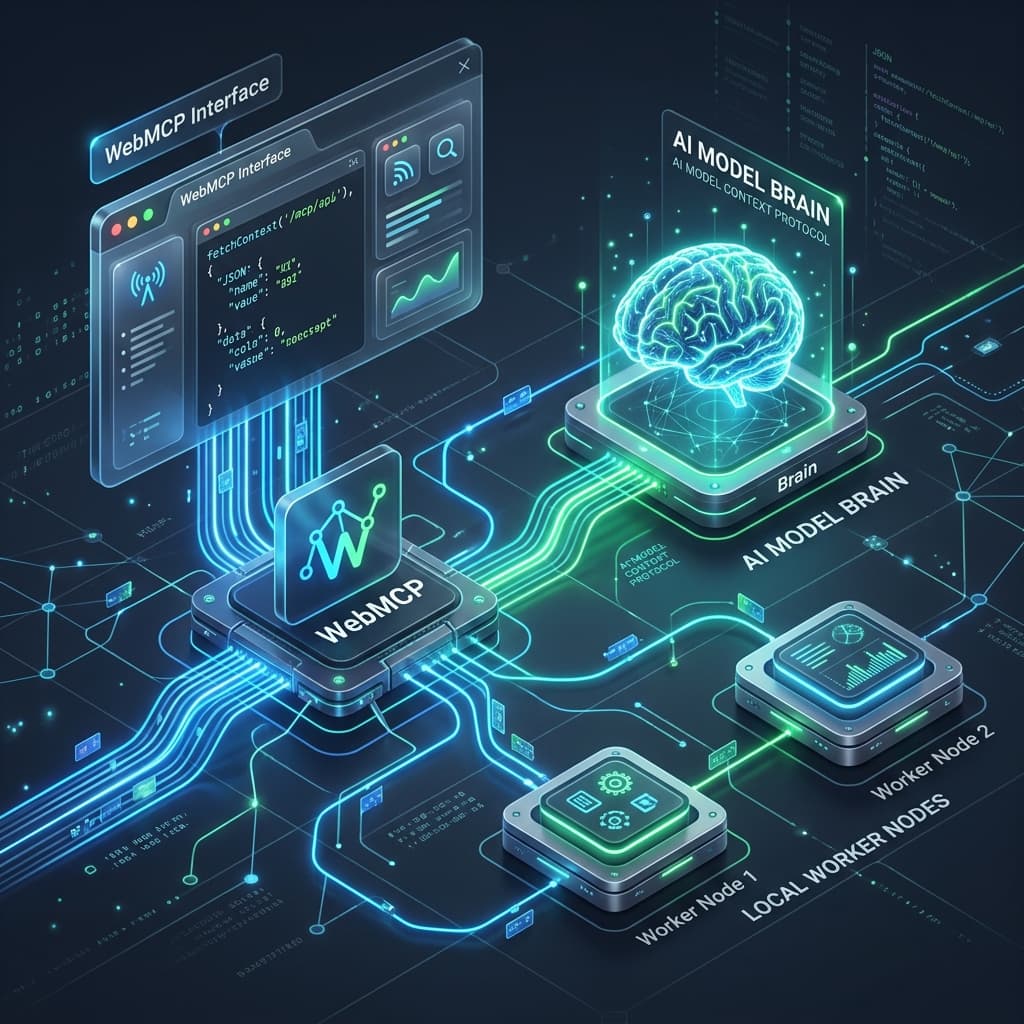
WebMCP: Bridging Model Context Protocol (MCP) and Browser Runtimes
Model Context Protocol (MCP) is revolutionizing how LLM agents interact with local tools and context. WebMCP extends this architecture to browser contexts, allowing web clients to expose native browser resources and page APIs securely to agents.
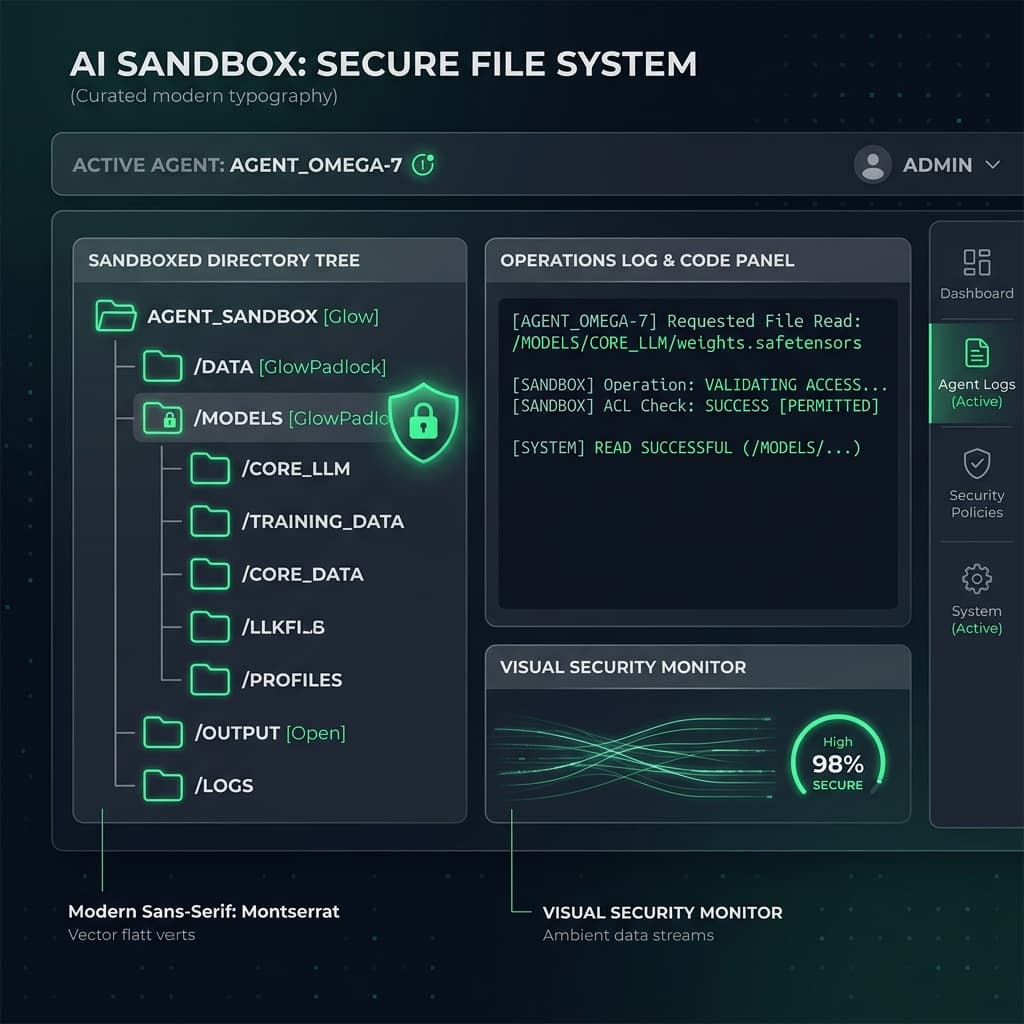
Securing the Agentic Workspace: File System Access API & Sandbox Handshakes
Standardizing the permission handshake and AST-level sanitization routines when granting autonomous browser agents native local directory access via the File System Access API.
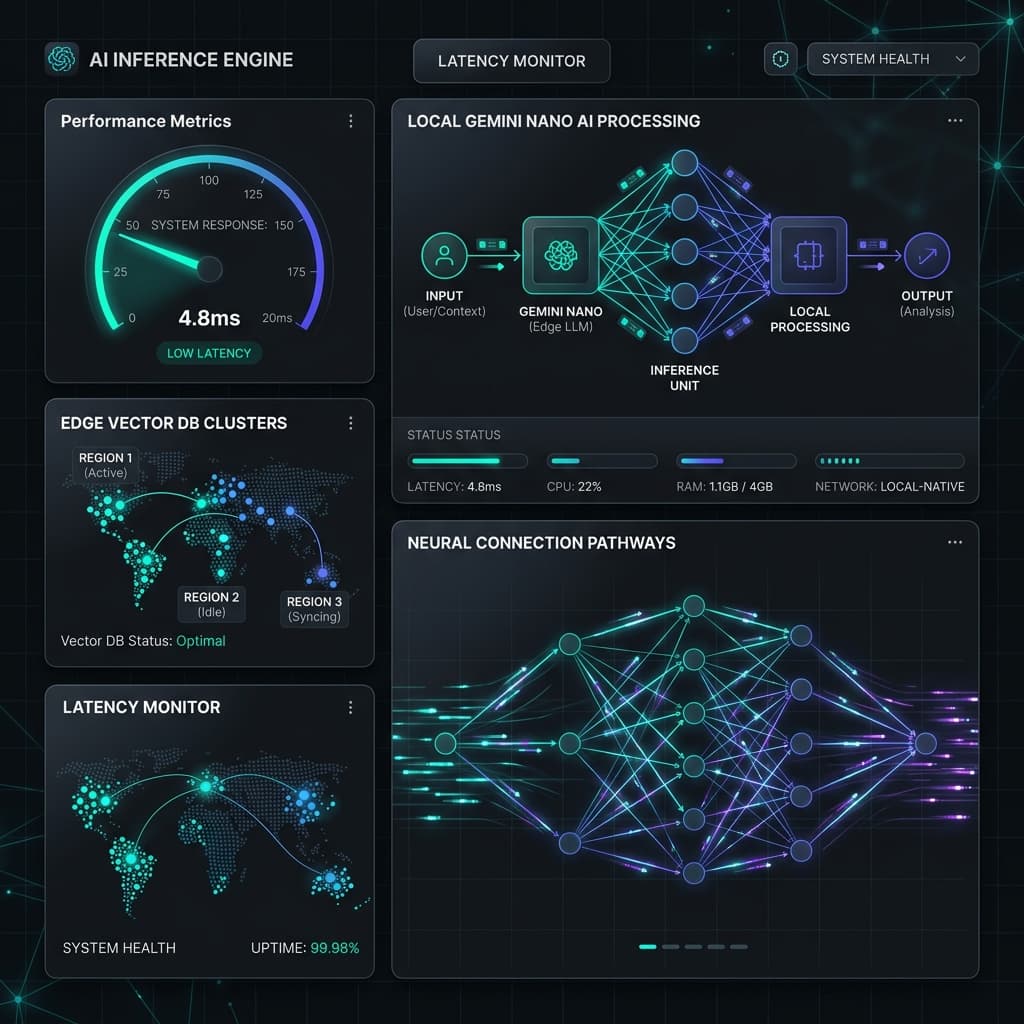
Zero-Cost Intent Routing: Benchmarking window.ai & Edge Vector DBs in Agent Loops
How to harness Google's Chrome-native Gemini Nano (window.ai) and client-side vector search inside Web Workers for sub-10ms, cost-free intent classification.
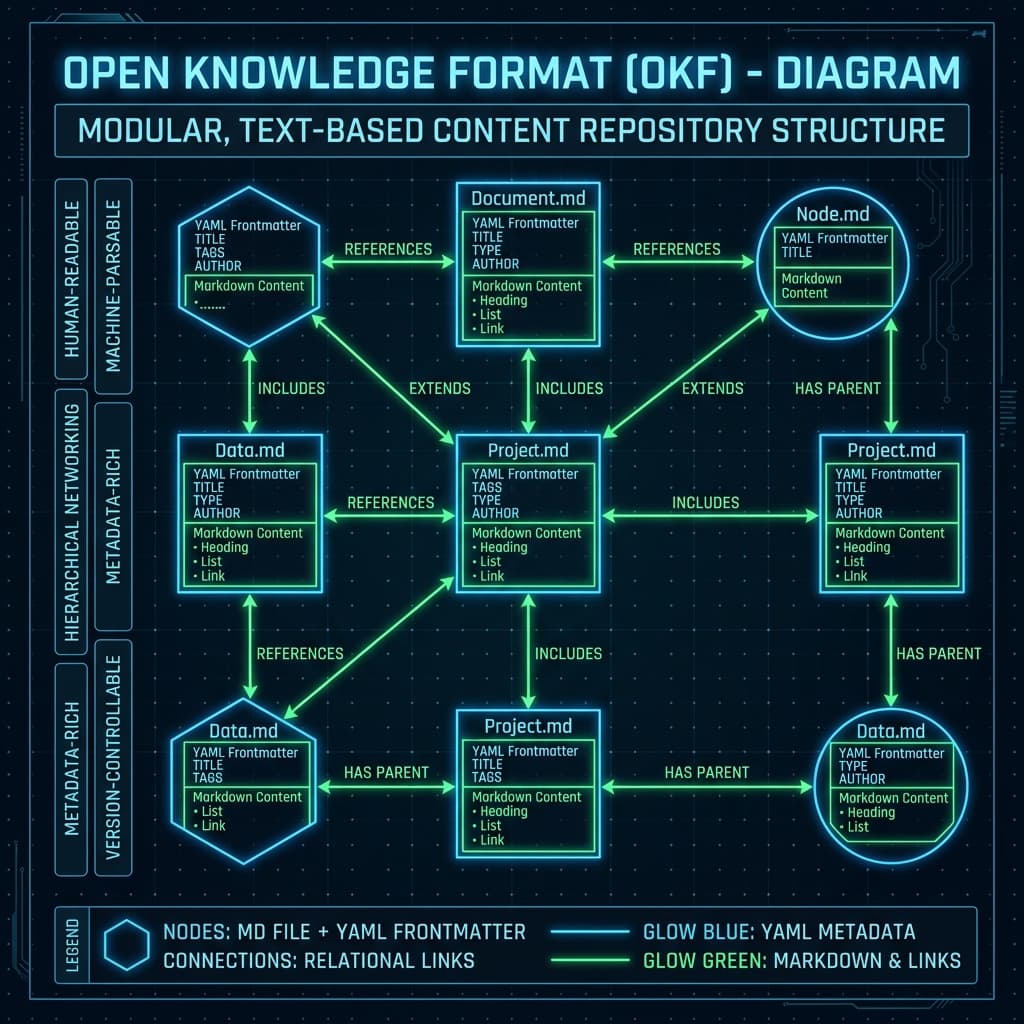
Open Knowledge Format (OKF): Standardizing Context for AI Agents
An in-depth look at Google Cloud's Open Knowledge Format (OKF) — a minimalist, plain-text standard for structuring organizational knowledge bases for autonomous AI agents.
Get In Touch
I research and write about agentic architecture, governance models, and runtime systems. Open to collaboration.
Connect on LinkedIn